



Car battery maintenance
Inhouse product
Reviews & Ratings
How long do electric car batteries typically last?
With sensible charging habits, effective battery management, and continuing improvements in technology, an EV can provide reliable transportation for well over a decade. This is understandable given that the battery is the most expensive component of the car and the one most directly related to its performance. One question is likely to be on your mind if you're considering making the switch to an electric vehicle: what happens when the battery wears out? A straightforward software reflash or sensor calibration frequently resolves the issue completely.
The battery is in excellent condition. Logic errors account for a surprising number of battery problems. This demonstrates why you shouldn't freak out at the first warning light and is frequently the least expensive repair available. Repairing a battery keeps its raw materials - lithium, nickel, cobalt - in circulation far longer than recycling them, which is an energy-intensive process. Repurposing it increases its usefulness and decreases waste. Batteries that fall below the useful threshold for driving still have a lot of capacity left over for other applications, such as home solar energy storage or grid support.
Relying heavily on fast chargers for every top-up can add a bit more wear over time compared to slower home charging, though occasional fast charging on road trips is perfectly fine. This implies that a battery's economic and environmental worth doesn't stop when it is taken out of a car. Indeed, autopowercare.com battery replacements can be costly if they are ever required after the warranty expires. What was once a five-figure expense ten years ago is becoming more affordable today, and this downward trend is anticipated to continue as raw material costs stabilize and battery manufacturing becomes more efficient.
However, as production increases and technology advances, replacement battery costs have been steadily declining, and this situation is much less common than people think. Naturally, cost comes up in this discussion, and it's important to address it head-on. Rather, its maximum range gradually decreases every year, frequently by only 1 to 2 percent. In practice, this means the battery will likely outlast your ownership of the vehicle entirely. Taxi companies and rideshare drivers who put enormous mileage on their EVs, sometimes 10 times what a typical commuter would rack up in a year, have reported batteries still performing well after hundreds of thousands of miles.
That kind of dip is hardly noticeable for the majority of everyday driving. Consider it more akin to a dimmer's gradual fade than a light switch. That figure isn't just optimistic marketing either. The battery management system might be miscalculating state of charge due to a faulty sensor, or a firmware update could have introduced a bug. It implies less waste, cheaper ownership costs, and a more robust future for electric vehicles.
Related products

cruiser 4G


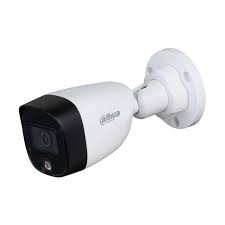
DAHUA-1209CP-LED 3.6 MM 2MP FULL COLOR
Product Queries (0)
Login Or Registerto submit your questions to seller
Other Questions
No none asked to seller yet


